Regulatory Evolution Reshapes Bonus Frameworks in Licensed Digital Gaming Markets
Kai Simmons · Sep 22, 2026
Regulatory Evolution Reshapes Bonus Frameworks in Licensed Digital Gaming Markets
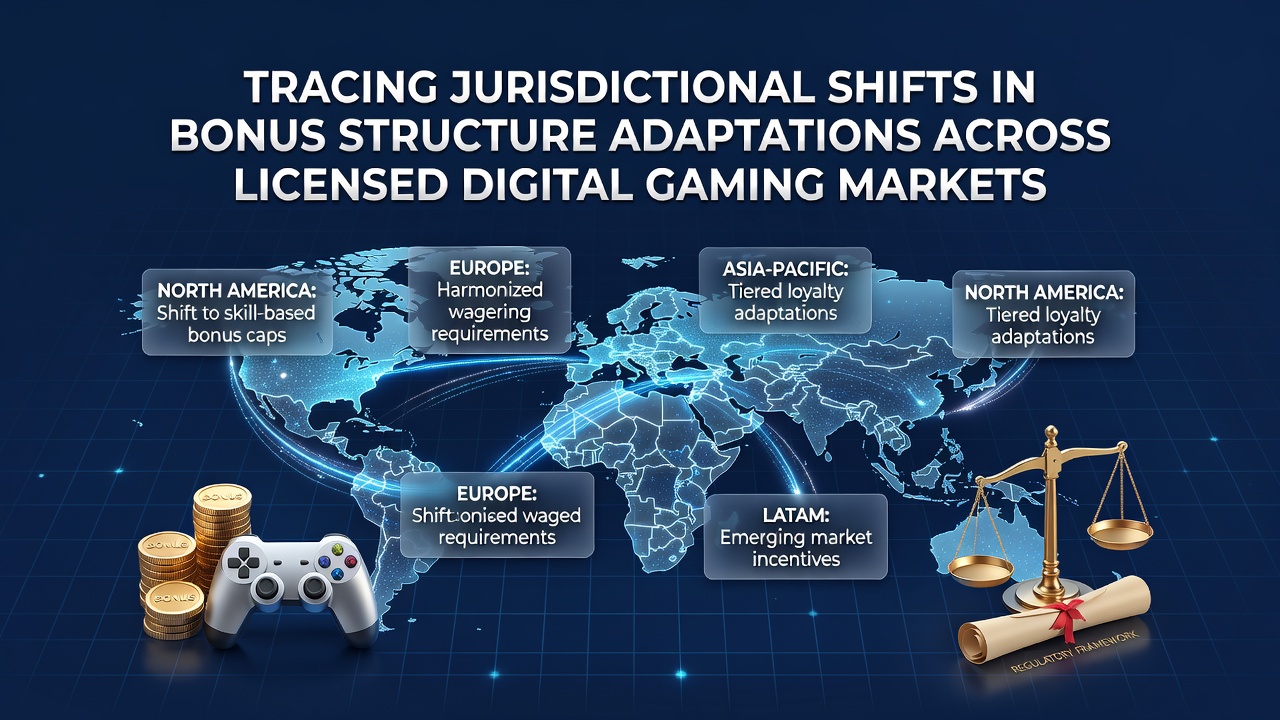
Regulatory bodies across multiple continents continue to adjust rules governing bonus structures in licensed digital gaming environments, and operators respond with modifications that align to new compliance demands. Data from licensing authorities shows that these adaptations often involve caps on wagering multipliers, restrictions on game eligibility for promotional play, and revised expiry timelines for offers. Observers note that such shifts appear most pronounced in markets where digital gaming expanded rapidly after 2020, creating fresh oversight challenges for regulators tasked with consumer protection mandates.
North American Adjustments Take Hold
State-level regulators in the United States have introduced targeted amendments that directly influence how operators structure deposit matches and free spin packages. The New Jersey Division of Gaming Enforcement updated its guidelines in early 2025, requiring clearer disclosure of contribution percentages across slot titles and table games. Those who track these filings report that several major platforms revised their bonus terms within weeks, lowering maximum cashout limits on welcome offers to stay within revised thresholds. In Canada, provincial frameworks in Ontario have similarly emphasized time-bound restrictions, prompting licensed sites to shorten bonus validity periods from 30 days to 14 days in many cases. Research indicates these changes correlate with efforts to reduce player exposure to extended promotional cycles.
European Market Variations Emerge
Across the European Union, member states have diverged in their approaches to bonus adaptations, reflecting differing national priorities. Malta's gaming authority tightened rules around bonus stacking in late 2025, which forced operators to separate welcome packages from ongoing loyalty rewards in marketing materials. Meanwhile, authorities in Sweden implemented stricter loss-limit integrations that affect how reload bonuses calculate their value relative to player spending caps. Data shows that platforms operating in multiple jurisdictions often maintain separate bonus engines for each region to avoid cross-contamination of terms. This segmentation has become standard practice as licensing conditions grow more granular.
What's interesting is how these European adjustments interact with broader digital single market goals, where operators seek unified technical solutions that still satisfy localized constraints. Figures from industry associations reveal that compliance costs for bonus management systems rose approximately 18 percent between 2024 and 2026 in monitored territories.
Asia-Pacific Developments Accelerate
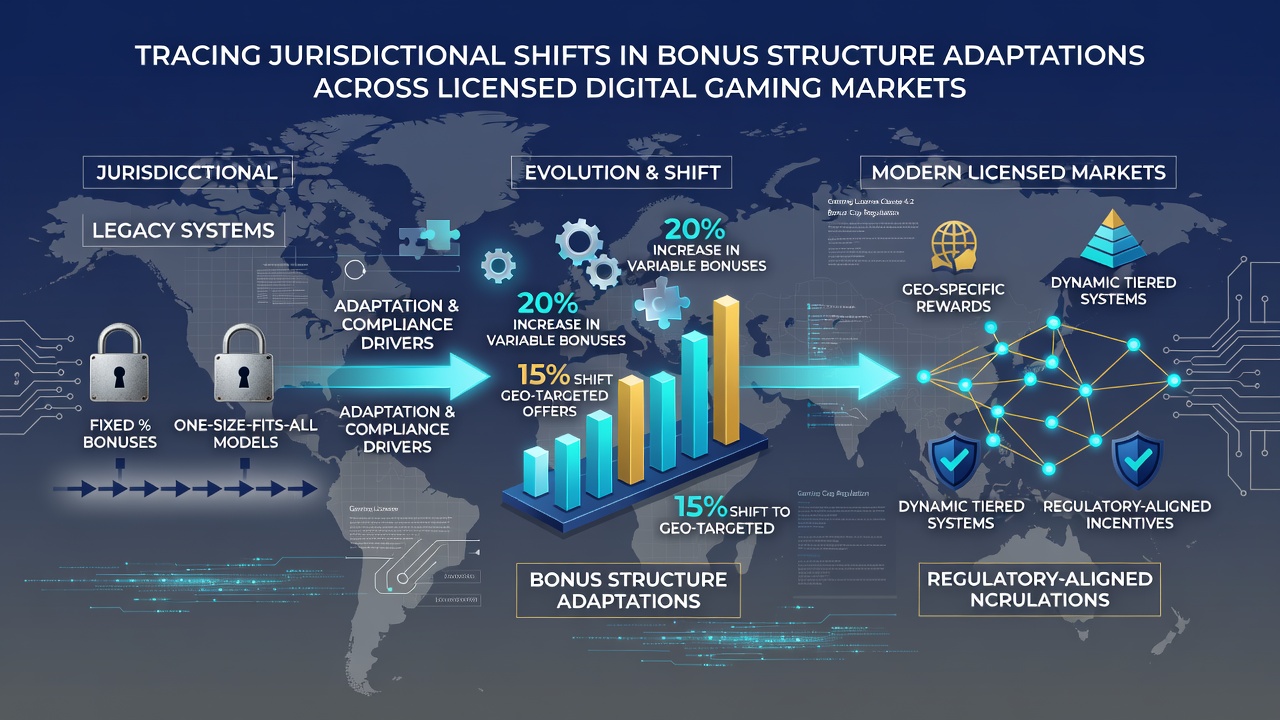
Australian regulators, through the Australian Communications and Media Authority, have focused on advertising transparency that extends to bonus presentation in promotional content. Operators must now display the full terms of any offer within the initial view, rather than linking to secondary pages. This requirement has led to simplified bonus designs that avoid complex tiered structures previously common in the market. In the Philippines, the gaming regulator issued updated circulars in mid-2026 that cap bonus values relative to average player deposits, prompting several platforms to recalibrate their high-roller incentives ahead of September 2026 enforcement dates. Those monitoring these shifts note that similar patterns appear in emerging markets where digital licensing regimes are still maturing.
Researchers at academic institutions studying cross-border gaming have documented how operators leverage modular bonus engines to accommodate these regional differences without rebuilding entire platforms. One study released in 2025 highlighted that jurisdictions with real-time reporting requirements tend to see faster adaptation cycles compared to those relying on periodic audits.
Technology and Compliance Intersections
Technical infrastructure plays a central role in enabling these jurisdictional adaptations. Software providers have developed configurable bonus modules that allow operators to toggle parameters such as contribution rates and eligible game lists based on player location. Evidence from platform audits suggests that real-time geofencing combined with automated term updates reduces the risk of non-compliance during cross-border play sessions. Data indicates that larger operators invested heavily in these systems throughout 2025, anticipating further fragmentation as additional markets introduce licensed frameworks.
Observers tracking September 2026 timelines point to several pending regulatory reviews that could introduce new bonus disclosure standards in North American and Asian markets simultaneously. Such coordinated timing remains uncommon yet appears driven by shared concerns over player fund protection across borders.
Conclusion
Jurisdictional shifts continue to drive measurable changes in how licensed operators present and manage bonus structures across digital gaming markets. Regulatory updates in the United States, Canada, Europe, Australia, and the Philippines demonstrate a pattern of increasing specificity around offer terms, disclosure methods, and value calculations. Industry data and licensing filings confirm that operators prioritize flexible technical solutions to maintain compliance while preserving promotional appeal. As markets evolve, the interplay between regulatory requirements and operational adaptations remains a defining feature of the licensed digital gaming sector.