Certification Pathways and Their Role in Cross-Platform Bonus Timelines Within Regulated Gaming Networks
Iris Baumann · Nov 17, 2026
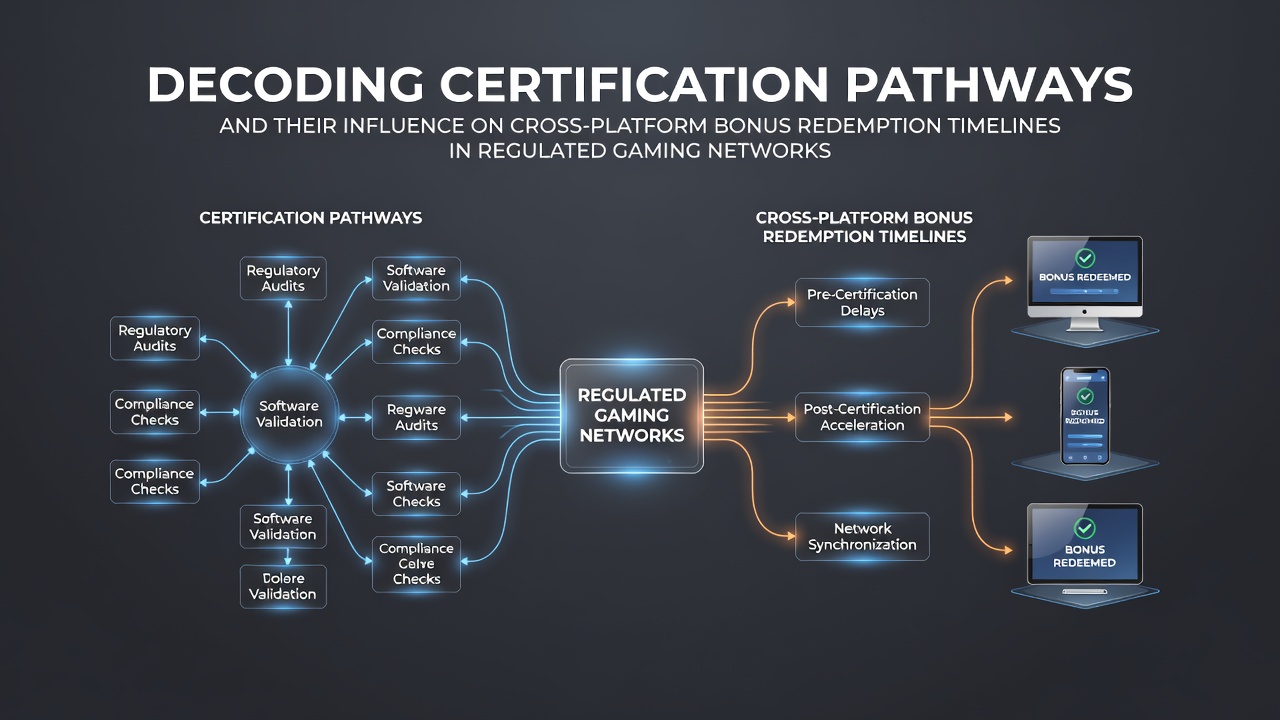
Certification Pathways and Their Role in Cross-Platform Bonus Timelines Within Regulated Gaming Networks
Certification pathways in regulated gaming networks establish structured routes for platforms to verify compliance with security, financial, and operational standards that directly affect how quickly players can redeem bonuses across devices. These pathways typically involve audits from independent testing labs, adherence to technical standards set by bodies like the Nevada Gaming Control Board, and integration with payment verification systems that operate consistently whether users access sites via mobile apps or desktop interfaces.
Core Elements of Certification Pathways
Regulated operators pursue multiple layers of certification that cover software integrity, random number generation, and transaction security, all of which feed into bonus redemption protocols. Observers note that platforms holding current certifications from labs accredited by the International Association of Gaming Regulators experience fewer delays when transferring bonus balances between devices because the underlying systems already meet documented benchmarks for data synchronization and fraud detection. Data from industry reports indicates that certified networks process cross-platform redemptions in timeframes ranging from minutes to several hours depending on the verification depth required at each step.
Those who've examined regulatory filings find that certification often requires ongoing monitoring rather than one-time approval, which means operators must maintain logs that regulators can review on short notice. This continuous oversight influences redemption timelines because systems must flag and resolve any discrepancies before releasing funds, yet the same logs also allow faster approvals once initial checks clear. Researchers at academic institutions studying gaming technology have documented cases where platforms without updated certifications faced extended review periods that stretched bonus processing across multiple days.
Impact on Cross-Platform Redemption Timelines
Cross-platform bonus redemption requires seamless data exchange between mobile, tablet, and desktop environments, and certification standards enforce the protocols that make this exchange reliable. Experts have observed that networks certified under frameworks emphasizing real-time transaction monitoring tend to complete redemptions faster when players switch devices mid-session because the certification already validates the necessary API connections and encryption layers. Figures released in November 2026 by several state regulators showed measurable reductions in average processing times for operators who completed recent recertification cycles compared with those still operating under older approvals.
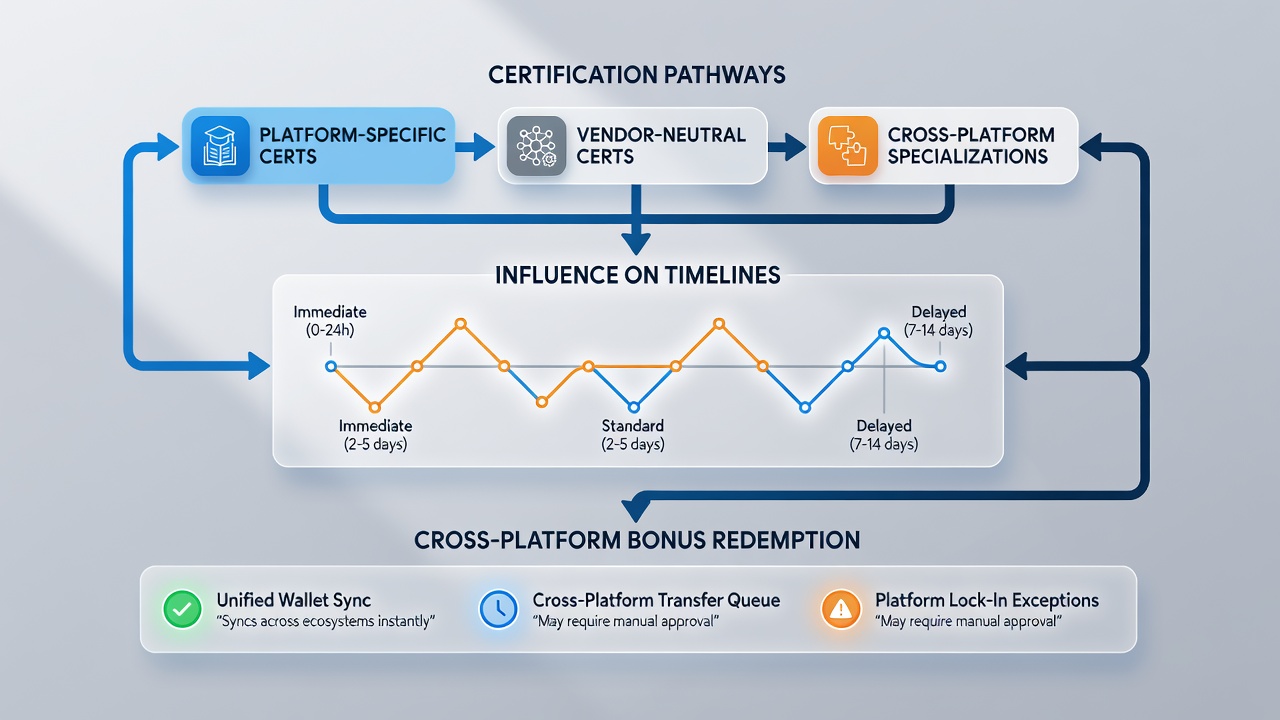
Payment verification forms another critical link in the chain. Certified platforms integrate with secure gateways that perform identity checks at the account level rather than at each device, which reduces redundant steps during redemption. Those who've studied transaction data across multiple jurisdictions report that operators using PCI-DSS certified payment processors alongside gaming-specific certifications achieve higher consistency in cross-platform timelines because the dual certification removes separate verification layers that otherwise add hours to processing.
Regional Regulatory Approaches and Their Effects
Different regions apply certification requirements with varying emphasis on timeline predictability. In markets overseen by the Malta Gaming Authority, operators must demonstrate that bonus systems function identically across platforms before receiving full approval, a requirement that has led to standardized redemption windows documented in public compliance reports. Australian regulators through the Australian Communications and Media Authority have similarly tied certification renewal to performance metrics that include redemption speed, creating incentives for platforms to streamline cross-device processes. These approaches differ from some North American models where certification focuses more heavily on security audits, yet both paths ultimately converge on the same outcome of documented, auditable redemption procedures.
One study from a European research consortium examined operators across multiple jurisdictions and found that those maintaining active certifications from at least two independent bodies reduced average cross-platform redemption times by measurable percentages compared with single-certification peers. The same analysis highlighted that recertification deadlines often prompt system upgrades that further compress processing windows once implemented.
Future Developments Expected by Late 2026
Regulatory updates scheduled for review in late 2026 are expected to incorporate new requirements around real-time auditing of bonus systems, which could further standardize timelines across certified networks. Industry organizations tracking these developments note that platforms already aligned with emerging standards for blockchain-based transaction logging may gain advantages in speed because the certification process itself validates the underlying ledger technology. Observers tracking filings from multiple regulators anticipate that operators investing in these upgrades will see continued compression of redemption windows as automated compliance checks replace manual reviews.
Conclusion
Certification pathways serve as foundational mechanisms that shape how regulated gaming networks handle cross-platform bonus redemptions through enforced standards for security, synchronization, and verification. Data from multiple jurisdictions demonstrates consistent patterns where updated certifications correlate with more predictable processing times, while lapses in certification introduce additional review steps. As regulatory frameworks continue to evolve through 2026 and beyond, the connection between certification status and redemption efficiency remains a central factor for operators navigating multi-device environments.